Sunday, June 7, 2026

The Distance Between Us, by James Howard


The Distance Between Us
My rating: 5 of 5 stars

Rating: ⭐⭐⭐⭐⭐
Spice: ๐ŸŒถ️๐ŸŒถ️.5

The Distance Between Us is a heartfelt contemporary romance that explores love after loss, healing from grief, and finding the courage to embrace who we truly are.

A year after losing his fiancรฉ in a tragic plane crash, Cameron is still struggling to move forward. Gregg, meanwhile, appears to have the perfect life on the surface, but beneath the wealth and expectations of his family lies a man who has never truly been free to be himself. Despite coming from completely different worlds, Cameron and Gregg form an unexpected connection that slowly grows into something meaningful.

I really enjoyed their relationship. Their romance develops through chance encounters, long-distance conversations, and making the most of the time they have together. Cameron and Gregg are almost opposites in many ways, yet they complement each other surprisingly well. I loved watching them not only learn about each other's lives and experiences, but also discover new things about themselves through the other's perspective.

While the romance is at the heart of the story, there are plenty of heavier themes woven throughout. Cameron's grief is a constant presence, and the author does a good job of showing both the pain of loss and the gradual process of healing. Gregg's journey is equally compelling, as he struggles with family expectations, his fear of coming out, and the difficult choice between living the life others want for him and pursuing the life he truly desires.

While I loved the emotional core of the story, I did find myself wishing for a bit more exploration of some of the major events that occur later in the book. Certain storylines felt like they were resolved rather quickly, and I would have liked to spend more time with the characters as they processed the emotional fallout.

That said, these issues never lessened my investment in Cameron and Gregg's journey. I was completely drawn into their story from beginning to end, rooting for them through every setback and triumph. Their relationship felt genuine, their growth felt earned, and I loved watching them find both love and a better understanding of themselves along the way.

Overall, The Distance Between Us is a heartfelt, emotional debut that tackles grief, healing, self-acceptance, and second chances with warmth and sincerity. It may not be perfect, but it was exactly the kind of story that kept me turning pages and thinking about the characters long after I finished. I'll definitely be keeping an eye out for what James Howard writes next.

View all my reviews

Thursday, May 28, 2026

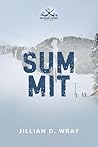
Summit by Jillian D Wray


Summit (Ricochet Ridge #4)Summit by Jillian D. Wray
My rating: 5 of 5 stars

Rating: ⭐⭐⭐⭐⭐
Spice: ๐ŸŒถ️๐ŸŒถ️๐ŸŒถ️

Summit is book 4 in the Ricochet Ridge series, but can be read as a standalone.

This was a beautiful, heartbreaking story. Zeke comes from a difficult situation, and the author doesn't shy away from giving us a clear feel of the worst parts.

The romance is slow to develop on the physical side, but emotionally I was invested from page 1. The story is caring, sweet and heartfelt, giving Zeke a place to heal and get back to truly being himself.

Talon is super sweet and loving, and through the story acts as a protector and number one fan of Zeke, helping him heal and prosper. While we get a bi-awakening from him, it never takes center stage, because this isn't really his story, and I appreciated how he didn't make a big deal out of it.

I also appreciated how the conflict from the different backgrounds was treated, and how it came to be resolved.

I feel like, among all the good things this book made me feel, a disclaimer is needed. Zeke is a DV survivor, and while I get why the plot moves as it does, I'm not sure this is a realistic representation of how you move on from that kind of situation. But this book isn't a guide, it's a love story, and should be read as such.

In the end, this was truly a binge worth read, something you pick up and cannot put down until the last page. I really enjoyed Zeke and Talon's story, and all the good feelings that came with it.

View all my reviews

Friday, May 8, 2026

Saying Goodbye to the Viking Bloodlines Saga


A year ago, I picked up A Kingdom of Dreams expecting an entertaining fantasy romance built around Norse mythology. What I didn’t expect was to become so deeply attached to this world and these characters that finishing The Twilight of the Gods would leave me genuinely grieving the end of the journey.

The Viking Bloodlines Saga grew into something much bigger than I anticipated. What started as a fast-paced fantasy romance with mythology woven into a modern setting slowly transformed into a story about identity, sacrifice, grief, fate, and the terrifying depth of loving someone enough to lose yourself for them.

One of the things that impressed me most throughout the series was how naturally the scope evolved. The first book focuses heavily on discovery: the world, the mythology, the relationships, the hidden truths beneath ordinary life. There’s momentum to everything, a sense that the characters are constantly being pulled toward something larger than themselves.

By the second book, the story expands into something far more epic in scale. The romance between Markus and Faron is already established, allowing the narrative to dig deeper into sacrifice, destiny, and the burden of trying to save a broken world. The emotional stakes become inseparable from the physical ones.

Then A Fracture in Forever shifts the focus to Hayden and Niki, and somehow manages to widen the emotional scope even further. There’s an almost relentless sense of dread hanging over the entire book, the feeling that every victory comes at a cost and every moment of happiness exists on borrowed time. Even now, I still think the final battle in that installment is one of the strongest sequences in the entire series—not just because of the action itself, but because every POV carries emotional weight.

And then there’s The Twilight of the Gods.


This finale hurt.

Not in a manipulative way, not for shock value, but because the series had spent four books making me care deeply about these characters and their relationships. Markus’s journey back to himself after the events of book three becomes a painful exploration of memory, identity, and love. Faron’s grief and determination absolutely shattered me at times, especially because the story never allows hope to erase the damage that’s already been done.

What I love most about this series is that the romance never exists separately from the plot. The love stories are the plot. Every battle matters because of the relationships behind it. Every sacrifice hurts because the emotional foundations are so strong. Even the intimate scenes always feel tied to character development, trust, vulnerability, or healing rather than existing purely for spectacle.

Another thing that stayed with me throughout the entire saga was the way the cast expanded without ever losing emotional intimacy. While Markus and Faron — and later Hayden and Niki — remain at the center of the story, the series is filled with side characters who feel equally alive, each carrying their own histories, grief, loyalties, and emotional arcs.

Over the course of four books, the Viking Bloodlines Saga slowly becomes something that feels almost like a fantasy family saga. Lost connections are rebuilt, old wounds reopened and healed, and relationships that have endured across centuries are tested again and again. By the end, the world feels deeply lived in—not just because of the mythology, but because of the people inhabiting it and the bonds tying them together.

And Sam Northman writes battle scenes exceptionally well. The multi-POV structure gives every conflict emotional immediacy, constantly shifting perspective in ways that heighten tension rather than disrupting it. There’s a cinematic quality to many of the action sequences, but they never lose sight of the people at the center of them.

At its core, though, I think the Viking Bloodlines Saga is ultimately about love enduring transformation. About people losing themselves and fighting to come back. About sacrifice, second chances, grief, forgiveness, and choosing each other over and over again even when the world seems determined to tear everything apart.

I’m incredibly sad this journey is over, though I suspect these are the kind of books that become even richer on reread now that I know where every thread was leading.

And honestly? Few things are more satisfying than finishing a four-book saga and feeling like the ending truly earned the emotional investment.

Wednesday, January 21, 2026

Perfect Strangers – a closer look at broken selves and chosen growth

Note: this review discusses character development that unfolds later in the story.

At first glance, Perfect Strangers by J. Rhys seems to promise a familiar setup: a destination romance, forced proximity, fake relationship, and rom-com vibes galore. And while all of those elements are present, what truly elevates this story is the unexpected emotional depth of its characters—and the way their personal fractures shape every interaction they have.


Evan Westin and Heath Lennox meet at what is arguably the worst moment of their lives.

Evan is a high-powered lawyer, freshly ditched at the altar by the woman he was supposed to marry. Her parting words—telling him to get a grip on his life—cut deeper than the abandonment itself. To the outside world, Evan is confident, successful, and fully in control. But that image is a carefully curated armor. Beneath it is a man who never processed the loss of his mother and who has built his entire adult identity around resentment and revenge toward an emotionally absent father. That obsession has cost him everything meaningful, leaving him angry, isolated, and incapable of imagining a future that includes genuine happiness.

Heath, on the other hand, is a literature professor at a public high school—thoughtful, reserved, and painfully self-aware. He was supposed to spend his vacation with Chris, his long-time crush and best friend from university, finally ready to confess his feelings and hope for something more. Instead, Chris ghosts him yet again, eventually marrying someone else without so much as a goodbye. Encouraged by his friends, Heath goes on the trip alone, but emotionally he arrives already defeated.

When Evan and Heath meet, the clash is immediate. They come from different social classes, different emotional realities, and have fundamentally different outlooks on life. Evan sees Heath as judgmental and uptight; Heath sees Evan as everything he distrusts—wealthy, careless, and emotionally unavailable. They can barely tolerate each other for the duration of a flight, let alone imagine sharing space.

Then comes the turning point: the exclusive couples-only resort. One reservation. Two single men. Either they pretend to be together, or they both go home.

What follows initially feels like classic romantic comedy territory—forced proximity, shared spaces, fake intimacy that slowly becomes real. But what surprised me was how thoughtfully the story uses this trope to peel back layers rather than gloss over them.

Evan’s bravado starts to crack, revealing a man who has never learned how to grieve, forgive, or envision a life beyond anger. Heath’s quiet self-doubt comes into sharper focus as well. He has spent his life chasing men who treated him as temporary—someone fun, someone convenient, but never someone worth choosing. Chris represents the culmination of that pattern, and when Heath finally confronts the truth, he turns the blame inward, convinced that he is the problem.

When Evan and Heath finally give in to the tension between them, it’s not just physical attraction—it’s recognition. They find in each other a rare kind of safety: someone who sees their flaws and stays anyway. Someone they don’t have to perform for. Someone who understands what it means to feel disposable, angry, or unworthy of lasting love.

What truly sets Perfect Strangers apart is its refusal to rush resolution. There is no instant healing, no magically fixed trauma, no easy happily-ever-after. Instead, the story acknowledges something many romances shy away from: sometimes love isn’t enough yet. Sometimes the most loving choice is stepping back, growing independently, and learning how to be whole on your own before you can be whole with someone else.

In the end, Perfect Strangers is not just a vacation romance—it’s a story about self-awareness, emotional accountability, and the courage it takes to imagine a different life than the one you’ve been punishing yourself with. Tender, messy, and deeply human, it’s a reminder that real connection often begins where pretense ends.

Thursday, January 1, 2026

Knights of Caliburn University — A Trilogy Review


A Dark Academia Arthurian Reimagining

The Knights of Caliburn University trilogy is a dark, atmospheric blend of Arthurian legend, gothic academia, and why choose romance that slowly unfolds into something deeply introspective and emotionally layered. Set within the shadowy halls of Caliburn University, the series follows Gwenna as she is drawn into an ancient legacy tied to magic, power, and a group of knights bound together by duty, trauma, and fate.

What starts as a story steeped in mystery and tension gradually transforms into a character-driven exploration of identity, belonging, and self-acceptance. Across three books, the trilogy carefully balances its mythological roots with intimate emotional journeys, allowing both the world and its characters to evolve in meaningful ways.


Book One: The Black Table — Secrets, Shadows, and Slow-Burn Tension


The Black Table pulls the reader in from the very first page and refuses to let go. It’s a haunting introduction to Caliburn University, where gothic architecture, secret societies, and whispered traditions create an atmosphere thick with unease and intrigue.

The dark academia setting feels alive and immersive, and the writing invites the reader to experience the story rather than simply observe it. Sensations, emotions, and tension are rendered with care, making every interaction feel charged with meaning.

As a why choose romance, this first book embraces a true slow burn. By the end, Gwenna has only shared a kiss with two of the four knights, yet the emotional and sexual tension is palpable throughout. The pacing allows space for character development, shifting power dynamics, and the gradual unraveling of both Gwenna’s past and the mysteries surrounding the Caliburn fencing squad.

The story doesn’t shy away from darker themes—bullying, mental health struggles, and lasting emotional scars—but balances them with moments of connection, loyalty, and tentative trust. The ending delivers a brutal cliffhanger that firmly cements this book as the foundation of a trilogy designed to be devoured.


Book Two: The Ivory Throne — Expanding the Myth and Deepening the Bonds


Picking up immediately after the events of The Black Table, The Ivory Throne expands both the world and the mythology at the heart of the series. The Arthurian elements become more pronounced, particularly through the exploration of magic and Holy Grail–inspired lore, all still anchored within the competitive, high-pressure fencing environment.

The dark academia atmosphere intensifies, and the story shifts its focus more firmly toward the knights themselves. This installment excels at character work, offering deeper insight into the MMCs’ fears, ambitions, and unresolved pain. Their relationships—with Gwenna and with each other—begin to evolve in significant ways.

The why choose romance moves forward at a faster pace here, becoming noticeably steamier. While some emotional developments feel slightly rushed, the chemistry remains compelling, and the shift in dynamics signals that the story is entering a more complex and intimate phase.

Crucially, The Ivory Throne raises as many questions as it answers. Secrets deepen, stakes rise, and the sense that everything is building toward an inevitable reckoning becomes impossible to ignore.


Book Three: The Red Crown — Introspection, Identity, and Emotional Resolution


The Red Crown brings the trilogy to a close by shifting the focus inward. Picking up immediately after book two, it allows the plot to slow down just enough to prioritize emotional depth, character introspection, and the evolution of relationships—romantic and otherwise.

This final installment feels like a moment of breath before the fall, delving into who these characters truly are once the masks are stripped away. The multi-POV structure shines here, with each character contributing something essential to the narrative. Every perspective matters, and together they create a sense of inevitability as the story moves toward its conclusion.

The gothic atmosphere is at its strongest, while the academia setting takes a more secondary role. The increased presence of spice is seamlessly integrated into the narrative, used not just for heat but as a tool to explore vulnerability, trust, and personal boundaries.

At its core, The Red Crown is about self-discovery—about accepting who you are, even when the world demands something different. It offers a satisfying and emotionally resonant conclusion to Gwenna and the knights’ journey.


Core Themes: Identity, Power, and Self-Acceptance

Across all three books, the trilogy’s central theme is the discovery and acceptance of the self. Gwenna’s journey mirrors that of the knights: each character is forced to confront their past, their fears, and the roles they’ve been expected to play.

Power—magical, emotional, and institutional—is another recurring theme. Caliburn University itself becomes a symbol of inherited expectations and rigid structures, while the knights’ bond challenges traditional hierarchies through trust, vulnerability, and shared choice.

The why choose dynamic is not just a romantic device but a narrative statement. It reinforces the idea that fulfillment doesn’t have to come from fitting into predefined molds, and that love, identity, and strength can exist in many forms.


Core Themes, part 2: Faith, Identity, and the Many Paths to Truth

One of the most compelling thematic threads running through the Knights of Caliburn University trilogy is its exploration of Catholicism, faith, and the search for the Holy Grail—not as a single, absolute truth, but as a spectrum of beliefs and approaches. The story offers multiple representations of faith: religious fanatics willing to commit violence in the name of God, true believers driven by devotion, and skeptics who study the lore and symbolism without fully embracing belief or disbelief. None of these perspectives is presented as inherently right or wrong; they simply are.

At the beginning of the trilogy, the four knights are portrayed as faithful servants of the Lord, bound by vows of celibacy and sacrifice in pursuit of their sacred mission. Their entire lives have been shaped by duty, obedience, and denial—of desire, of intimacy, and often of self. In The Black Table, we begin to see the first cracks in this rigid structure. Emotional and physical intimacy emerge as something profoundly missing from the knights’ lives, and each of them, in different ways, starts to reach for it.

The Ivory Throne pushes this struggle further. Sex enters the narrative not merely as spice, but as a new form of intimacy and connection—a way for the characters to bridge emotional distance and confront their own vulnerability. The why choose dynamic initially takes shape almost as an act of mutual assured destruction: if they are all breaking the rules together, then no one stands alone in their transgression. Over time, however, this shared “fall from grace” transforms into something liberating. What begins as fear and rebellion evolves into self-acceptance and honesty, both with each other and with themselves.

By the time we reach The Red Crown, the trilogy fully embraces complexity. Each main character holds a distinct view of faith, religion, and philosophy of life, shaped by personal experience rather than doctrine alone. The narrative refuses to moralize these differences. The only stance clearly condemned is extremism: those who kill in the name of God, those who judge and punish others according to arbitrary, weaponized interpretations of faith.

What makes this exploration so effective is that, despite their different paths, all the characters ultimately arrive at the same point. They make the same choices—but for different reasons. The reader is allowed to witness multiple reasonings, multiple struggles, and multiple interpretations of the same truth. Faith, in this trilogy, is not about blind obedience or rigid belief, but about choice: choosing who you are, what you stand for, and how you love, even when it means unlearning everything you were taught.


Final Thoughts

The Knights of Caliburn University trilogy is a dark academia romance that grows more confident and introspective with each installment. What begins as a mystery-driven story rich in atmosphere evolves into a deeply character-focused exploration of identity, healing, and belonging.

If you enjoy gothic settings, Arthurian-inspired mythology, emotionally layered why choose romance, and stories that aren’t afraid to linger in the shadows, this trilogy is well worth the journey.

Thursday, December 11, 2025

A Haunting, Tender Tale of Grief and Quiet Hope

 Review – The Gravedigger’s Handbook by Jern Tonkoi


Jern Tonkoi is quickly becoming one of my favourite authors, and The Gravedigger’s Handbook is exactly the kind of story that proves why. No matter which genre he touches, his novels are always heartfelt, unhurried, and deeply human. This one is sweet in its own ghost-lit way—steady, gentle, and guided by the slow rhythm of life breathing in and out.

Lucien is the caretaker of an old cemetery above Pontarรงon. His days are shaped by quiet routines: tending headstones, trimming bushes, keeping the flowers fresh. The cemetery feels almost suspended in time—a sanctuary where the seasons turn softly, where the dead linger just long enough to find peace. Lucien can see and speak to some of them, and helping these ghosts cross over gives his own life a meaning he rarely allows himself.

Scarred both physically and emotionally, abandoned young and taken in by the former caretaker, Lucien has lived in this place for years. The graveyard becomes refuge and home, its silence a balm, its dead his closest companions. It’s a solitary existence, but a familiar and safe one… until Nat arrives.

Nat is young, hurting, searching for something that might spark the will to live again. An artist who has lost his fire, he finds in Lucien a muse he didn’t expect. He sketches him piece by piece—first a hand, then the curve of a shoulder, the line of a jaw. In learning to draw the details, he begins to truly see the man beneath the hood, beyond the scars, beyond the solitude.

"To be the centre of his gaze feels like standing in the eye of a storm. Terrifying. Beautiful. Impossible to leave."

It’s a beautiful metaphor for the emotional heart of the story: that slow, intense moment when someone starts seeing you more clearly than you see yourself.

We never get a complete physical description of either character—just splotches of detail, fragments of fabric and shadows—but we come to know them intimately through their grief. Lucien, who has spent years waiting for a father who never accepted him. Nat, who mourns the life he lost and sometimes can only sit by a gravestone, waiting for meaning to return.

Together, sketch by sketch, night after night, they pull each other slightly closer to healing, simply by staying, listening, and witnessing each other’s pain.

"A friend isn't the one who talks you out of the dark—it's the one who keeps the lantern burning till you find your way out."

This line feels written for Lucien and Nat. Their connection isn’t about saving each other dramatically—it’s about presence, patience, and the small, steady light of companionship.

Spoilers below — click to reveal

The first twist is that Nat is not a ghost, though Lucien truly believed he was. While Nat never pretended, Lucien only saw what he hoped to see, and the truth blindsides him. Nat is living, breathing—someone who can walk away at any moment—and for Lucien, that possibility feels like betrayal.

After a painful confrontation, the two separate. Nat completes the portrait, and when Lucien finally sees himself captured on paper—his grief, his longing, his quiet will to live—something shifts. He gathers his courage, leaves the safety of the cemetery, and seeks Nat out, bringing him the final piece that will launch his artistic career.

In doing so, Lucien allows himself to be seen by the living for the first time in years. And that’s when we learn the final truth: Lucien was the ghost all along.

His story has been one of waiting—waiting to be loved, accepted, understood. In death, he finally finds peace knowing he was truly seen and loved for who he was. And Nat, in turn, finds the spark that brings him back to life.

The ending is bittersweet, but in the most perfect way: gentle, mournful, and full of quiet hope. It leaves you with that fragile blend of sadness and warmth that lingers long after the last page.

If you’re drawn to queer gothic intimacy, atmospheric rural settings, grief-tinged tenderness, and slow, immersive storytelling that unfolds like mist at dawn, this novel is a gem. Not a conventional HEA, but a luminous one that feels exactly right for these characters.

Wednesday, November 19, 2025

The Tobias & Stuart Trilogy by Jern Tonkoi — A Quiet, Cosmic, Heart-Wrenching Journey

 Some trilogies sweep you along with action and plot twists. Others pull you in with loud drama and big declarations. Jern Tonkoi’s Tobias & Stuart trilogy does something different: it whispers. It moves slowly, thoughtfully, almost cautiously at times — and somehow ends up hitting harder than loud books ever do.

Across The Day Music Died, In the Shadow of Death, and The Curse of Time, Tonkoi builds a universe where cosmic forces walk the earth, where Music and Time and Death have voices, and where two deeply human, beautifully flawed men keep finding each other in the middle of it all.

A Love Story That Isn’t the Centerpiece — And That’s Its Charm

One of the things that makes this trilogy so special is the way it lets the romance breathe without ever turning it into the main attraction. Tobias and Stuart’s relationship runs alongside the larger narrative, not over it — a steady, quiet thread rather than the tapestry itself. The books follow Tobias for most of the journey (and Stuart later on), but the true heart of the trilogy lies with the cosmic forces shaping everything around them. Time, Death, and Music are not just ideas; they are active players in a much bigger convergence that unfolds little by little across the three books.

We only begin to understand the full scope of what’s happening once we reach the final volume, yet the human element is never overshadowed. Tobias’s personal choices — his mistakes, hesitations, small acts of courage — ripple outward in ways he doesn’t fully grasp until much later. The beauty of the trilogy is how seamlessly the intimate and the cosmic intertwine.

Book One: The Day Music Died — Where It All Begins


The opening book is quiet and atmospheric, the kind of story that feels simple on the surface but leaves an imprint long after you’re done. Tobias is searching — for meaning, for connection, for the missing parts of himself — and the book follows him with tender, lyrical melancholy. Romance exists, but softly, like a faint melody shaping the emotional landscape rather than taking center stage.

Book Two: In the Shadow of Death — Where Everything Breaks


Then the trilogy takes a sharp turn. The second book is heavier, darker, and emotionally intense. What began as a gentle, melancholy journey becomes a confrontation with trauma, inner battles, and the raw edges of survival. Bigger forces enter the scene, the stakes rise, and the universe around Tobias and Stuart grows far more dangerous. It’s a tough read in places — in the best way — but it deepens every thread woven in the first book.

Book Three: The Curse of Time — Where It All Comes Together


The final installment blends the intimacy of book one with the cosmic scope of book two. Here, the story slows down again, giving Tobias and Stuart space to breathe, falter, rebuild, and choose each other with intention. The cosmic puzzle finally snaps into place, but the narrative never lets go of its emotional core. It’s a bittersweet farewell — hopeful, imperfect, and quietly luminous.

Why This Trilogy Stays With You

The Tobias & Stuart trilogy stands out for its balance: apocalyptic wonder wrapped around deep human vulnerability. It handles trauma, healing, found family, queer love, and the small tender moments that carry people through dark times. It’s not a fast-paced or traditionally romantic series, but it is heartfelt, thoughtful, and rich with emotional resonance.

Final Thoughts

Closing this trilogy felt like resurfacing from deep water — peaceful, a little shaken, and grateful for the journey. Tobias and Stuart aren’t perfect heroes; they’re messy, wounded, stubborn men who keep trying, and that’s exactly why they linger in your mind. Their love isn’t loud, but it’s steady. And the universe Tonkoi builds around them only amplifies their story’s quiet power.

If you enjoy queer speculative fiction with tenderness, cosmic strangeness, emotional depth, and stories that take their time, this trilogy is absolutely worth reading.

Saturday, September 6, 2025

Venomous lies, by Suki Rose

Venomous Lies (Greywood Conservatory for the Arcane #2)Venomous Lies by Suki Rose
My rating: 5 of 5 stars

Venomous Lies is the second installment in the Greywood Conservatory series, and once again it left me with more questions than answers — but in the best possible way. With each book, the bigger picture starts to take shape, and I’m hooked.

The plot was intriguing, weaving the mystery of the campus murders together with the chaos of Isla’s personal life and her complex web of relationships. I really enjoyed the use of multiple POVs, including perspectives from characters who still feel like they’re waiting in the wings — it adds depth and gives the sense that there’s so much more to uncover.

What stood out the most for me were the messy, complicated dynamics between Isla and her mates (or potential mates). They’re tense, emotional, sometimes frustrating, but always compelling. That push and pull kept me turning the pages.

This was a really engaging read, and I can’t wait to see where the series goes next — because if one thing’s certain, Greywood Conservatory is nowhere near done with its secrets.

View all my reviews

Thursday, September 4, 2025

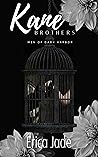
Kane brothers, by Erica Jade

Kane BrothersKane Brothers by Erica Jade
My rating: 5 of 5 stars

I really enjoyed this installment! Kane Brothers is book three in the Men of Dark Harbor series, and what I loved right from the start is how it revisits events from book two—but this time through different eyes. Seeing the other side of what happened not only clarified some details, it made the whole world feel even richer.

Once the series’ larger plotline takes a bit of a breather, the focus shifts to the love story, and it was so well done. Rain’s struggle—torn between two brothers, fighting for independence while at the same time craving their possession—was intense, emotional, and compelling. I also appreciated how the story weaves in themes of reconciling painful pasts with the desire to choose happiness.

And of course… the spice. Let’s just say it definitely delivered, breaking up the darker moments with heat and tension. While this is still very much a dark romance (so readers should keep the content warnings in mind), it felt a touch lighter than the previous books—though just as steamy.

I’d definitely recommend starting from the beginning of the series to get the full effect, but if you’ve been following along, you don’t want to miss this one. That cliffhanger has me desperate for the next book!

View all my reviews

Saturday, August 30, 2025

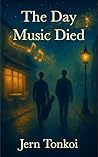
The day Music died, by Jern Tonkoi

The Day Music Died: A queer speculative romance of memory, longing, and the magic of being seen (Tobias & Stuart: A queer speculative romance trilogy Book 1)The Day Music Died: A queer speculative romance of memory, longing, and the magic of being seen by Jern Tonkoi
My rating: 5 of 5 stars

This is one of those quiet, slow-building stories that lingers long after the last page. At first, not much seems to be happening — Tonkoi spends time layering context, history, and atmosphere — but by the end, the emotional weight really hits. It’s lyrical, thoughtful, and deeply sentimental in a way that stayed with me.

The characters aren’t drawn with a lot of detail, yet they feel alive and achingly real. Tobias, in particular, is at the heart of the story: a man haunted by absence, searching for the piece of himself that’s always felt missing, whether in others or in Music itself.

Despite the subtitle, this isn’t a conventional romance. Love is here, yes, but it’s more subdued — not the main spotlight, but a steady undercurrent that shapes Tobias’s journey. And when it does surface, it feels quiet, tender, and inevitable.

If you’re looking for fast-paced action or heavy romance tropes, this may not be the right fit. But if you enjoy speculative fiction that explores memory, identity, and the bittersweet magic of being truly seen, The Day Music Died is a beautiful, lingering read.

View all my reviews

Monday, August 25, 2025

A wreck, you make me by Saffron A. Kent

A Wreck, You Make Me (Bad Boys of Bardstown #3)A Wreck, You Make Me by Saffron A. Kent
My rating: 4 of 5 stars

A Wreck, You Make Me is a dark romance that leans heavily on taboo elements and a love-hate dynamic.

What I appreciated most was the MMC’s arc: coming from a troubled past, he struggles to process emotions, open up, and allow himself happiness with the heroine. That layer of vulnerability, paired with the slow realization of what he really feels, gave the romance some genuine depth. I also liked the underlying theme of longing and unspoken love—watching those moments break through the toxic dynamic kept me invested.

That said, other aspects didn’t fully work for me. The “stepbrother/incest” vibe is pushed strongly, but since the characters aren’t actually related—not even by law—the taboo didn’t feel convincing, more like a device for added drama. On top of that, the bullying and humiliation sometimes went too far, crossing into territory that, for me, doesn’t sit comfortably in a romantic framework. Rather than deepening the story, the darker tropes often felt included for shock value.

Overall, I enjoyed the emotional pull of the romance when framed through the hero’s struggles, but the emphasis on taboo and toxic dynamics overshadowed it at times. Readers who enjoy darker, boundary-pushing romances may find more to love here, but I personally would have preferred more focus on the healing and emotional connection.

View all my reviews

Tuesday, June 24, 2025

Everywhere You Look by Emily Shacklette – A Love Story Beyond the Expected

 Some books make you feel seen. Others crack your heart open. And then there are books like Everywhere You Look—that somehow manage to do both.


Emily Shacklette’s novel is a breathtaking blend of grief, love, and found family, and while there is a romantic story at its core, this book is so much more than a romance. It’s about stepping up when life breaks your heart. About building something lasting in the middle of chaos. And about learning that sometimes, love doesn’t shout—it simply stays.

๐Ÿ–ค The Weight and Beauty of Grief

Grief is a constant presence in this book—not something to be overcome, but something to be carried. And it’s not just Luke’s grief for his sister, Gigi, that’s portrayed. The pain is magnified through the eyes of her three small daughters, who ask heartbreaking questions like “when is mommy coming home?” It’s gutting, and it’s real. Their innocence makes the loss feel even sharper, and Shacklette handles it with so much care and respect. These children are not plot devices—they’re people, and their mourning is as important as Luke’s.

๐Ÿ‘จ‍๐Ÿ‘ง‍๐Ÿ‘ง Parenthood, Not By Choice—but By Heart

Luke is young, injured, freshly retired from professional football, and suddenly the guardian of three children. And yet, never once does he resent his role. There’s no bitterness, no “poor me” attitude. He simply does the work. He rolls up his sleeves and puts his nieces first—even when it costs him. That quiet, determined love made me fall for him completely.

The parenting in this book is messy and exhausting, but also tender and full of grace. And while the trope of the “fake marriage” can often feel like a shortcut in romance, here it felt earned and deeply intentional. Luke and Dean marry not to justify the romantic arc, but because it’s the best decision for their family’s stability. It’s practical, it’s believable, and it actually adds emotional tension rather than resolving it.

๐Ÿ’” Dean Deserves the World

Let’s talk about Dean. Because while Luke’s emotional arc is front and center, Dean’s slow-burning heartbreak is what really hit me. He gives up everything—his home, his plans, his freedom—just to help Luke, and for a long stretch of the story, Luke doesn’t see it. He’s so focused on what Dean is giving up that he misses what Dean is gaining: a purpose, a home, and a real partner.

Their relationship builds slowly, unevenly. Luke is ready to move things forward before Dean is—and the moment when Dean finally snaps and lets out all the feelings he’s been burying was absolutely raw. That scene where everything comes to a head had me holding my breath. But then comes that soft, real conversation: “I wish we’d done this sooner.” And Luke’s quiet realization that rushing into romance would’ve destroyed their friendship—that was everything. It’s so rare to see a love story where the emotional bond is given more weight than the physical.

๐Ÿงธ Tension, Levity, and a Whole Lot of Disney

Despite the heavy themes, the book never drowns in its own sadness. The girls bring light and humor into every scene they’re in. Luke and Dean might be dealing with custody issues, trauma, and unresolved feelings, but there’s still movie nights, snacks, chaotic bedtime routines. There’s joy in the everyday, and it keeps the story grounded and hopeful.

The writing flows beautifully, with a clear narrative and dual POVs that add richness and emotional nuance. Getting both Luke and Dean’s perspectives allowed me to connect with them equally—especially when they were seeing the same events so differently.

๐ŸŒ… A Future We Can Believe In

By the time I reached the end, I didn’t want it to stop. I wanted to see how this family would grow, how the girls would flourish, how Luke and Dean would evolve as partners and parents. And yet, the way Shacklette ends the story—just a few weeks later, with their new life gently unfolding—felt just right. It’s not a “happily ever after” tied up with a bow, but a quiet, hopeful look toward the future.


Final Thoughts

Everywhere You Look is a story about loss and healing, but also about showing up for the people you love, even when it’s hard. Even when it breaks you a little. It’s about choosing your family, again and again, and letting love grow at its own pace. I cried, I laughed, I underlined a dozen passages, and I will absolutely be rereading this one.

If you’re in the mood for something emotionally rich, deeply human, and profoundly comforting—this book belongs on your shelf.

Saturday, June 14, 2025

More Than Fluff – A Heartfelt Journey in The Jackass in Class

 Every once in a while, you pick up a book expecting a few laughs, maybe some steam, and a cozy little distraction from the world—and instead, you get something that quietly, unexpectedly wraps itself around your heart. That’s exactly what happened when I read The Jackass in Class by Amy Award. I’ve read the previous books in the Kingman series, and while they all bring that signature mix of heart and humor, this one hit different. Here’s why.


I went into The Jackass in Class by Amy Award expecting a light, fun romance to brighten up a weekend. And yes, I got the chaos, the sass, the unexpected donkey, the hot jock, and the quirky supporting cast that I’ve come to love in this series. But what I didn’t expect was the emotional resonance that would stay with me long after the final page.

On the surface, the plot isn’t particularly groundbreaking—grumpy-sunshine, enemies-to-lovers, forced proximity via a tutoring program—but it’s comfortingly familiar in the best way. A cozy, low-stakes setup that disguises the emotional gut punches that come later.

Tempest Navarro is the heart of this book. A secret romance author, anxious and curvy, hiding a baby donkey and a thousand insecurities in her sorority house. She’s the kind of heroine we don’t get enough of—soft, smart, sharp-tongued, and battling demons most readers will recognize. Her journey isn’t just about falling for the campus heartthrob; it’s about learning to take up space, speak up for herself, and stop shrinking to fit others’ expectations.

And Flynn Kingman? He’s more than just the typical sports romance lead. Behind the charm and football stardom is a man who’s lived in fear of loss since he lost his mother as a child. His emotional arc—particularly a late scene with his father—hit me so hard I genuinely teared up. That conversation about grief and how it reshapes us was quietly devastating, but also incredibly healing. Flynn’s realization that safety and distance don’t equate to living fully is a truth so many need to hear.

The book is marketed as fluff, and while it’s certainly funny, sexy, and a joy to read, it’s so much more. It's a love letter to the girls who’ve been told they’re too much or not enough. To the women who have to fight to be heard, to be seen, to be loved as they are. Tempest’s voice, and the vulnerability behind her sass, make this a standout read.

And yes, there’s a donkey. And yes, the family chaos is top-tier. And yes, the spice is sizzling. But what elevates this from "fun romance" to "must-reread" is the way Amy Award threads real emotional depth through every laugh and kiss.

Also, there’s a small but powerful commentary on the value of romance and smut in our culture—how they’re often dismissed as trashy or indulgent, when in reality, they’re a lifeline for many readers. That conversation alone makes this book worth defending in every literary discussion.

If you’re already a fan of the Kingman siblings, you’ll love revisiting the world. But if this is your first entry, don’t worry—each book stands on its own. Just be ready to laugh, cry, and maybe hug your inner teen a little tighter.

Final Thoughts:
This isn’t just a feel-good romance—it’s a feel-seen story. I’ll be rereading it whenever I need to remind myself to take up space, fight for joy, and embrace softness as strength. Highly, highly recommended.

Monday, June 9, 2025

Review – Bite Marks and Broken Hearts by T. J. Rose

Bite Marks & Broken Hearts (The Killigrew Street Case Files #1)Bite Marks & Broken Hearts by T.J. Rose
My rating: 5 of 5 stars

This MM paranormal romance absolutely sank its fangs into me from the first chapter and didn’t let go until the very end! Bite Marks and Broken Hearts is a gripping, emotional ride that delivers a perfect mix of mystery, romance, and spice—without ever feeling unbalanced.

One of the things I loved most was the banter. The dialogue between the characters was sharp, funny, and full of chemistry—it made the connection between the MCs feel all the more authentic. And it wasn’t just the leads who stood out: even the secondary characters were well-developed and memorable, adding real depth to the story world.

The plot kept me hooked with its steady build of tension and mystery. I was genuinely kept guessing until the final reveals, which is always a win in my book. At the same time, the romance had space to breathe—there were beautiful, slower moments woven into the fast-paced urgency of the plot, giving the emotional arc of the MMCs room to shine.

Speaking of the emotional journey—wow. The angst, the yearning, the vulnerability... it all felt so real. I appreciated how the author didn’t shy away from letting the characters be messy and raw. Their growth and the connection between them felt earned.

The double POV added another layer of richness, letting us see the story unfold from two very different perspectives, and highlighting the unique strengths and vulnerabilities of each protagonist. And the pacing? Spot on. It mirrored the characters’ growing sense of urgency while still taking the time to develop the romance.

T. J. Rose’s writing is fluid and compelling—it was easy to lose myself in the pages. Overall, this book hit all the right notes for me. I’m definitely looking forward to seeing where the next installment takes us!


View all my reviews

Saturday, June 7, 2025

The Fake Dating Agreement by Ember L. Nicole


A reverse harem hockey romance with heart, healing, and hard truths

What starts as a delicious revenge plot quickly turns into a touching and deeply emotional journey in The Fake Dating Agreement by Ember L. Nicole. This reverse harem, hockey romance surprised me in all the best ways. Yes, it has the tropes we all love — fake dating, three swoony hockey players, and a woman reclaiming her power — but it also dives much deeper, exploring identity, growth, invisible struggles, and the real meaning of choosing happiness.

The story kicks off with the FMC discovering that her long-term boyfriend has been cheating on her — on their sixth anniversary, no less. Cue heartbreak... and then enter three ridiculously hot hockey players with a proposition to help her get some sweet, sweet revenge. Sounds like fun? It is. But that’s only the beginning.

What I loved most is how the author takes us beyond the trope and into something meaningful. The “fake” relationship morphs into a process of discovery, not just for the FMC but for each of the three MMCs as well. She doesn’t just fall into bed with them — she gets to know them. Each relationship unfolds at its own pace, reflecting their unique personalities, wounds, and hopes. And they, in turn, see her, support her, and remind her that she’s so much more than what her ex made her believe.

The hockey backdrop is just that — a backdrop. It’s not the central plot, but rather a lens into the lives of the MMCs. For them, hockey is more than a sport: it’s their whole world, their coping mechanism, their identity. But as the story evolves, so do they. They begin to see that life is more than a game, and that sometimes, choosing joy, connection, and vulnerability takes more strength than chasing a puck.

Another standout element is the representation of invisible disability. The FMC lives with Hashimoto’s disease — a chronic, often misunderstood condition. I really appreciated how the author handled this with care and realism. The FMC’s discomfort with sharing her illness felt incredibly authentic, and the sensitivity shown by the MMCs was genuinely heartwarming. Chronic fatigue and feeling "lazy" to others is such a common but painful part of invisible illnesses, and this story highlights that struggle in a way that will speak to many readers.

On the steam scale, I’d say this lands at about a 2.5/5 — nothing overly explicit or gratuitous, but enough to feel intimate and meaningful. In a college RH romance, you expect hormones, curiosity, and kink exploration — and this book gives you all of that, but with a focus on connection over shock value. Every scene felt like it served the emotional arc rather than simply trying to spice things up, which I really appreciated.

As for my own reading experience? I was hooked. Was everything 100% realistic? Maybe not. But I didn’t care. I found myself grinning like a fool at the tender moments, swept up in the emotional honesty and support these characters showed one another. I read it in a single day — it was one of those books where you just don’t want to stop turning the pages.

And if I had to choose a favorite? It would be Caleb. All three guys are sweet, caring, and sexy in their own ways, but Caleb was the one who took the longest to open up. He held on tightly to his pain, and watching him gradually let the FMC (and us!) in was incredibly satisfying. The moment that sealed it for me? The street hockey game, where Caleb convinces the whole team to skip practice just to cheer on a group of kids he randomly met. It was such a subtle but powerful act of kindness — one that showed his heart more clearly than any grand gesture ever could.

From a technical standpoint, the writing flows beautifully. The pacing is tight and purposeful, with smooth time jumps that let the story focus on key emotional beats without getting bogged down in the day-to-day.

Final thoughts:
The Fake Dating Agreement is more than a spicy RH romance — it’s a celebration of healing, growth, and letting go of what doesn’t serve you anymore. It’s about being brave enough to want more, and about finding love — not just in others, but within yourself. Add in thoughtful chronic illness rep and layered character development, and you’ve got a gem worth picking up.

๐ŸŒŸ Rating: 4.5/5
✏️ While some scenes may feel slightly heightened or idealized, the emotional core is so strong and sincere that I couldn’t put it down — a book that makes you feel good without losing depth.
❤️‍๐Ÿ”ฅ Tropes: Reverse harem, fake dating, found family, emotional healing, supportive MMCs
๐Ÿ’ Content warnings: Cheating ex, chronic illness (Hashimoto’s), emotional abuse (past), mild on-page angst


Wednesday, May 28, 2025

Review – Crushing the Altar by Siena Trap

 I’ve been in the mood for something tender and grounded lately, and Crushing the Altar by Siena Trap delivered exactly that—and more. If you love friends-to-lovers, small-town vibes, and real emotional depth, keep reading (but beware: there are spoilers ahead!).


⚠️ Spoiler Warning: This review includes major plot details.

Crushing the Altar is one of those rare stories that manages to blend spice, emotional depth, and real-life struggles into a warm, heartfelt romance. It follows Tripp and Penny—best friends since birth, secretly in love with each other for years, yet always dancing around the truth.

The plot kicks off in the most dramatic way: Penny is about to marry someone else, Jake, when Tripp finally confesses his feelings. In a bold, spontaneous moment, Penny walks away from the altar and marries Tripp that same day. It’s impulsive, messy, and deeply romantic—and it sets the tone for the rest of the book.

What follows is not just a steamy, feel-good friends-to-lovers tale, but a story about what comes after the fairy-tale decision. Penny soon discovers she’s pregnant, and what initially feels like a dream quickly turns into a potential nightmare: there’s a chance Jake could be the father. And that’s where this book truly shines.

Siena Trap doesn't take the easy way out. Instead of relying on drama, breakups, or mistrust, she gives us a hero who shows up. Tripp never once makes Penny feel guilty for her past, or for the speed with which they jumped into a new life together. His unwavering support, especially when he says that it doesn’t matter whether or not he’s the biological father—because the child is hers—was such a powerful moment. It really anchored the emotional weight of the story.

A miscarriage scare brings them even closer, becoming a turning point in their relationship as they’re forced to confront the reality of adult life, parenthood, and responsibility. Watching them grow—not just as a couple, but as individuals—was incredibly rewarding.

The ranch setting and small-town atmosphere give the whole book a cozy, familiar backdrop that perfectly suits the characters. It’s full of people who’ve known each other their whole lives, content with their way of life, and that grounding sense of place made everything feel more intimate and authentic.

Siena Trap’s writing has a gentle, almost lyrical quality, with moments of sharp emotional insight that sneak up on you. The pacing is steady and confident, letting us fully experience the relationship as it deepens without ever feeling slow or dragged out.

By the end, I was left with a deep sense of calm and hope. This isn’t a story about billionaires or enemies-to-lovers fireworks. It’s about real people facing real situations—messy, complicated, and beautiful in their normalcy. Crushing the Altar is a celebration of everyday love, the kind that gets you through tough times and makes you feel safe and seen.

⭐️⭐️⭐️⭐️⭐️ – A warm, spicy, and emotionally grounded romance that stayed with me long after the final page.

Thursday, May 22, 2025

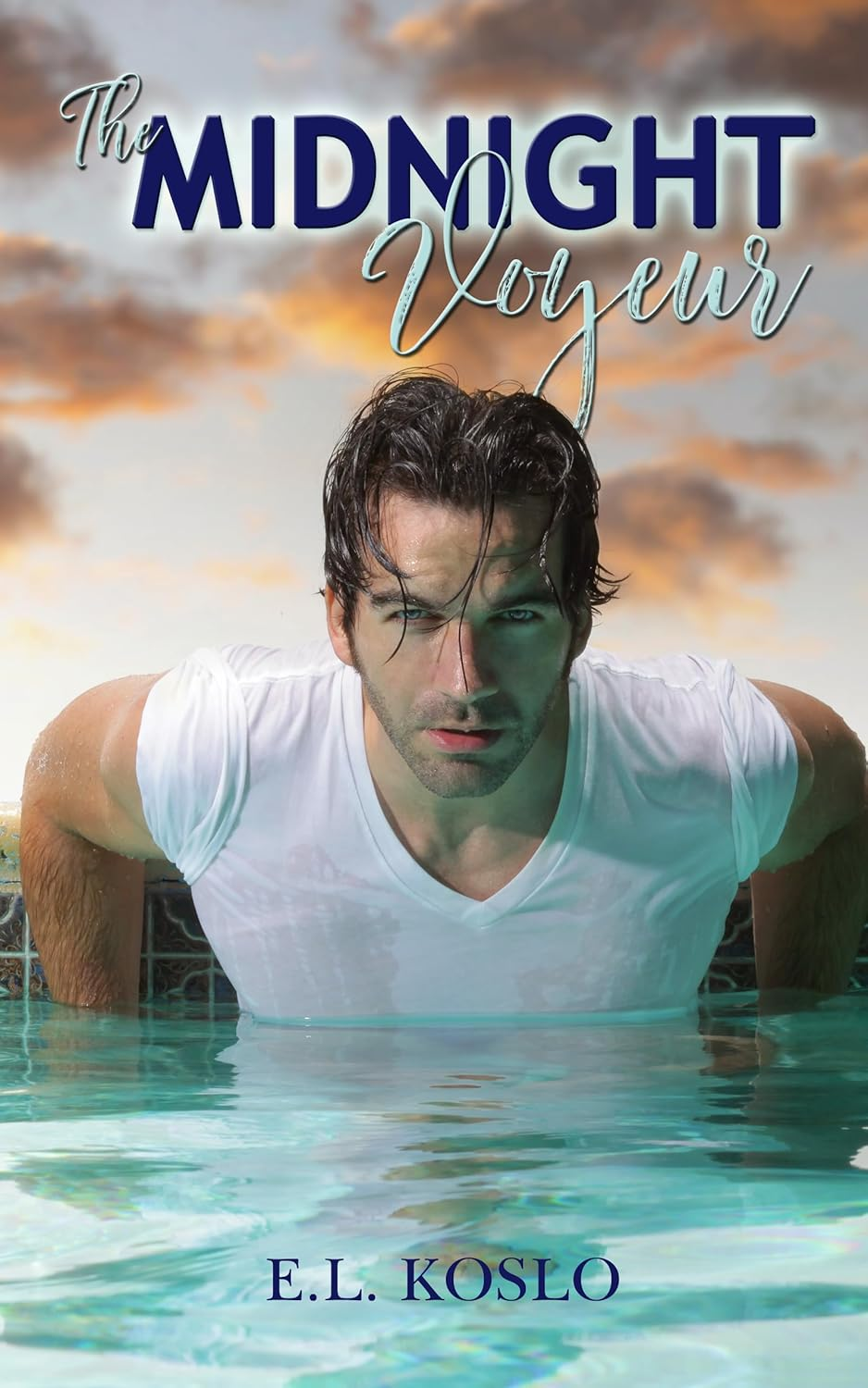
Review – The Midnight Voyeur by E.L. Koslo

5/5 – Unforgettable, bold, and deeply emotional

๐Ÿ”ฅ Spice: 5/5 – Explicit, intense, and emotionally charged

The Midnight Voyeur is a bold, sensual exploration of grief, healing, and rediscovery. It’s unapologetically erotic, but beneath the surface, it’s the story of a woman finding her way back to life after devastating loss—of reclaiming her body, her desires, and her future.


Ginny, 46, is a widow who has spent almost a year in emotional isolation after the sudden death of her husband. They had married young, raised a daughter together, and were finally at a point in life where privacy, intimacy, and rediscovery as a couple felt within reach. But then everything changed in a moment. Ginny didn’t just lose her partner—she lost her sense of self. She withdrew from friends who either pitied her or didn’t notice her grief, and shut herself inside the house that had become a museum of her past.

The novel begins with Ginny as a silent observer of other people’s pleasure. When Austin, the young mechanic renting her pool house, brings home lovers at night, she watches—not out of perversion, but out of longing. Those moments of voyeurism become the first spark in her journey back to herself. Micha, her landscaper, joins the picture, and what follows is an unconventional, emotionally charged dynamic that shifts from lust to deep connection.

While nearly half the book is devoted to their intense sexual relationship, it never feels gratuitous. The erotic scenes are not just spice—they’re the medium through which Ginny rediscovers her body, her needs, and her right to pleasure. Micha, openly gay but uniquely drawn to Ginny, adds emotional complexity and sensitivity, while Austin brings unexpected warmth and care. Their threesome is more than just physical; it’s transformative.

Eventually, Micha makes the bittersweet decision to leave, wanting to pursue a more stable life and explore new possibilities. What could have been a breaking point becomes a moment of clarity for Ginny: she doesn’t want to settle for being someone’s occasional indulgence. She wants love again. Not just sex, not just companionship—but a real chance at building something lasting.

And what I especially loved? The story doesn’t end in heartbreak. All three characters find new partners and form connections that last. What could have become a source of tension or jealousy instead turns into a beautiful, chosen family. They remain friends, their lives intertwined in a way that feels natural and healing.

What struck me most is how E.L. Koslo captures the unpredictability of life—how everything can fall apart just when it was supposed to come together. Grief isn’t the centerpiece of this novel, but it’s the thread that runs through everything, quietly shaping Ginny’s choices, her fears, and her slow return to the world.

Her age isn’t a footnote—it’s a defining element, and it’s handled with honesty and care. This is a story about a woman over forty whose life didn't end with her husband’s death, even if it took her a while to believe that.

The entire story is told from Ginny’s point of view, which made it feel deeply personal and intimate. I loved how honest her inner voice was—conflicted, often self-deprecating, but also sharp and full of heart. There’s so much growth here, both emotional and sexual, and it’s portrayed without judgment. Even the steamiest scenes serve a purpose in showing how Ginny slowly comes back to life.

What really surprised me was the banter. The tension isn’t only in the sex—it’s also in the teasing, the innuendoes, the unexpected lightness that balances out the heavier themes of grief and identity. That mix made the story feel complete: messy and funny, tender and hot, serious and freeing.

This isn’t a book for everyone. It’s explicit, emotionally vulnerable, and unafraid to challenge expectations around age, sexuality, and what it means to start over. But for readers who appreciate erotica with substance and soul, The Midnight Voyeur is a beautiful, daring, and ultimately hopeful read.

Thursday, May 8, 2025

Nightbane by E.D. Lee – Book 3 Review & Series Wrap-Up


Nightbane brings the Broken Kingdom trilogy to a close not with explosions or grand fanfare, but with a slow, inevitable unraveling of everything its characters once believed. True to E.D. Lee’s style, the tension is never built through flashy plot twists or constant action, but through the emotional weight of choices made, truths uncovered, and relationships tested to their breaking point. Nightbane doesn't just conclude the story, it breaks it open. E.D. Lee delivers a final installment that's emotioanlly raw, politically intricate and utterly unflinching. Where Nightingale was about survival, and Nightmare about power and trust, Nightbane dives headfirst into the cost of hope in a world built on violence.

This final installment focuses on the end of the war—and the beginning of a new world. Vrea and Castil, now fugitives from Niroula, return to Carylim. But this is not the Carylim we saw in Nightingale. With new context—particularly the revelation that Castil is the rightful heir, but not the biological son of the usurper king—everything feels different. The abuse Castil suffered at the hands of his "father" and the toxic dynamics with his siblings hit harder. The illusion of loyalty and lineage is shattered.

And Castil? He’s done playing games.

Where he was once the silent, watchful knight, now he’s a man with purpose—and nothing left to lose. Peace is no longer a dream; it’s a mission. And to achieve it, he’s willing to cut down anyone in his way. Including Rian.

Rian’s death is shocking not because it’s sudden, but because it’s justified. In Nightbane, we finally see Rian for who he really is. His actions in Nightingale, especially toward Vrea and her people, are reframed—not as noble sacrifices, but as cold calculations. He never loved Vrea. He loved the idea of winning. And for that, he falls.

What follows is not a triumphant victory, but a hard-earned reckoning. Both Vrea and Castil are forced to confront the people who raised them—the queens and kings who shaped them into weapons—and make impossible decisions. The contrast in their upbringings leads to very different resolutions: Castil’s father dies, while Vrea’s mother lives. And yet, in both outcomes, peace is born from blood.

What stood out most to me was how complete the ending feels—not just for the main characters, but for the world around them. The side characters aren’t forgotten. There's a sense of healing, of families merging rather than being destroyed. No one is left truly alone. It’s not a fairy tale ending, but it’s a hopeful one.

As Nightbane closes the trilogy, it becomes clear that this was never just a story about war or succession—it was about survival, transformation, and the cost of breaking the cycles we’re born into. Each book peels back another layer, revealing not just the truths behind political power, but the emotional scars and quiet strengths of those caught in its grip. With every shift in perspective, E.D. Lee deepens our understanding of these characters and the brutal world they inhabit. And now that the dust has settled, it's time to reflect on what this series truly accomplished.

A Trilogy That Redefines Power, Loyalty, and Love

Looking back on the Nightingale trilogy, what stands out most is how deliberately and unflinchingly E.D. Lee dismantles the traditional fantasy arc. There are no chosen ones destined for glory, no sweeping romances that save the world. Instead, this series gives us characters forged in fire—shaped by trauma, political games, and the impossible choices handed down by their bloodlines.

From Nightingale’s brutal introduction to a world where heirs are bred as weapons, to Nightmare’s nuanced exploration of power and perspective, and finally to Nightbane’s stark conclusion, this trilogy doesn’t shy away from moral ambiguity. It asks: What happens when those raised to kill choose to build instead? What does peace cost when your only education has been war?

Vrea and Castil’s journey is the emotional spine of this story, evolving from mutual hatred and mistrust to a love grounded in shared pain and hard-won understanding. They are not idealized heroes, but survivors who must confront not only their enemies but their families, their traumas, and their own identities. Their romance doesn’t save the world—but it gives them the strength to change it.

Secondary characters are treated with the same care, each given space to grow, heal, and find connection in a world where solitude has long been synonymous with survival. The final act doesn’t tie everything up with a bow—but it does offer hope, a rare and powerful gift in a story so steeped in violence and loss.

This trilogy won’t be for everyone. It’s slow, introspective, and emotionally intense. But for readers willing to sink into the layers—of character, of politics, of pain—it offers one of the most rewarding and thoughtful narratives I’ve read in dark fantasy. It’s not just a story about ending a war. It’s about building something new from the ruins—and deciding who gets to live in that future.

๐Ÿงญ Series Wrap-Up: The Nightingale Trilogy

E.D. Lee’s trilogy is unlike anything I’ve read in fantasy romance. It’s a story where heirs are forged in fire, love is a dangerous rebellion, and survival is never guaranteed.
  • Book 1 – Nightingale introduces us to Vrea, Rian, and Castil in a brutal world where trust is a liability. It’s tense, emotional, and layered with enemies-to-lovers and high-stakes politics.

  • Book 2 – Nightmare deepens the emotional arcs, flipping roles and pushing characters to reckon with the systems that shaped them. The shift in perspective, especially toward Castil, is a masterstroke.

  • Book 3 – Nightbane brings everything to a head—wrapping up complex relationships, long-burning questions, and the consequences of every choice made.

This series is perfect for readers who want:

  • Dark fantasy without magic—but full of tension and sharp emotional stakes

  • Morally gray characters navigating loyalty, love, and war

  • Enemies-to-lovers dynamics that actually hurt (in the best way)

  • Slow-burn romance with emotional payoff

  • Thoughtful, character-driven world-building

Final Thoughts

If you’re tired of fantasy romances that wrap everything in neat bows, The Nightingale Trilogy offers something different. It’s hard, it’s human, and it’s unforgettable. I’ll be thinking about Vrea, Castil, and Rian long after the final page.


Tuesday, May 6, 2025

๐Ÿˆ Book Review: End Game by Felice Stevens

 A bold, emotional sports romance grounded in reality


End Game by Felice Stevens is a powerful, emotionally driven romance set in the high-stakes world of professional football. While MM sports romances aren’t new, what sets this book apart is how it approaches its subject matter—with honesty, nuance, and an unflinching look at a world that still struggles to accept LGBTQ+ athletes.

This isn't a love story where everything magically falls into place. Quite the opposite. The book dares to ask: what does it take to keep a relationship alive when everything around you says you can't?


๐Ÿงก A relationship tested from the start

When we meet Brody and Dev, they aren’t together yet—but by chapter two, sparks have flown, and their connection is undeniable. What follows isn't the classic falling-in-love arc, but the far more complex, layered challenge of staying together in a world that would rather they didn’t exist as a couple.

Set against the hyper-masculine backdrop of American pro football, End Game dives into the tension between public image and private truth. The stigma surrounding homosexuality in sports isn't a subplot here—it's the beating heart of the story. And Felice Stevens handles it with realism and care.

What I especially appreciated is that the book doesn't sugarcoat the environment. In contrast to other MM romances in sports settings, where "love conquers all" often feels a bit too convenient, End Game offers a more grounded picture of what queer athletes might actually face. It's messy. It's painful. But it’s also deeply human.


⏳ An ambitious scope—15 years of love, pressure, and change

The story spans 15 years, which gives readers a broad lens on Brody and Dev’s evolution. We watch them grow as individuals and as partners, navigating challenges both personal and professional. This long timeline brings depth, but it also comes with trade-offs. There are significant time jumps, and many emotional milestones are told rather than shown. At times, I felt a bit adrift—wanting to linger longer in certain moments or feel more connected to the characters' inner lives.

That said, the ambition of the structure reflects the theme: love isn’t just about a single moment. It’s a commitment made again and again across time.


๐Ÿ’ฌ Character dynamics: Dev steals the show

The book is told in dual POV, and while both Dev and Brody are compelling in their own ways, Dev stood out more clearly for me. He’s fiery, driven, and deeply invested in carving out a space for their relationship—even when it's risky. Brody, in contrast, comes across as quieter and more passive. While likable, he often felt like he was along for the ride rather than steering it.

Their dynamic still works, though—it’s about balance. Dev brings the momentum, Brody brings the steadiness.


๐Ÿ”ฅ On the spice and emotional intimacy

There’s a good amount of spice, particularly in the middle portion of the book. These scenes vary in function—some add genuine depth and intimacy, helping to reinforce the emotional connection between Dev and Brody. Others feel more like placeholders between plot beats, a way to maintain tension in the absence of stronger narrative transitions.

Still, fans of steamy romance will find plenty to appreciate here, especially since the emotional stakes are already high.


๐Ÿ Final thoughts

End Game is a thoughtful, mature romance that doesn’t take the easy route. It chooses truth over fantasy, and while that makes for a sometimes emotionally distant reading experience, it also leaves a stronger impression. The book doesn’t offer neat solutions or guaranteed happy endings—it offers a slice of reality, with all the love, risk, and heartbreak that comes with it.

If you’re looking for a romance that tackles real-world challenges with heart, grit, and emotional honesty, this one’s worth picking up.

Friday, April 11, 2025

Nightmare, by E. D. Lee

Nightmare is the gripping sequel to Nightingale, shifting the focus from Rian’s court in Carylim to Vrea’s home in Niroula. With Vrea back in a position of power, the tables have turned—this time, Castil is the one at her mercy. But survival in Niroula is just as treacherous as it was in Carylim, and with war looming, neither Vrea nor Castil can afford to trust the wrong person.

This book deepens everything that made Nightingale compelling: the complex relationships, the moral dilemmas, and the political intrigue. With a slower burn and higher stakes, Nightmare is a story of shifting loyalties, dangerous desires, and the fine line between love and betrayal.


The story doesn’t pick up exactly where we left off but instead takes a step back in time, offering new context for the characters before moving forward. This shift in perspective is especially impactful as Nightmare introduces Castil as Vrea’s counterpart, giving us a much-needed look at his past and his role in their story.

Where Nightingale was about survival in an enemy court, Nightmare is about reclaiming power—and realizing how little control anyone truly has. Vrea and Castil’s dynamic flips completely, but instead of simply mirroring their past, this book explores the complexities of their new reality. It’s not just a role reversal; it’s a deeper dive into what power, trust, and love really mean when everything is at stake.

The shift to Niroula also adds new depth to the worldbuilding, showcasing a court that, while brutal in its own ways, operates on entirely different rules. Seeing the political structures, the Queen’s influence, and the relationships between Vrea and her siblings gives us a more complete picture of the war that has shaped their lives. Unlike Carylim, where siblings were bred as weapons, Niroula’s royal family is trained to rule. That distinction changes everything—especially how the Queen and her children approach survival.

Reversed Roles, New Perspectives

One of the most compelling aspects of Nightmare is its role reversal. In Nightingale, Vrea was a prisoner in Carylim, at Rian’s mercy. Now, the story unfolds in Niroula, where Vrea is the princess and Castil is her slave. This shift doesn’t just alter their power dynamics—it redefines how we see both characters.

Vrea, despite having absolute power over Castil, remains considerate. Her decision to immediately assure him that he will not suffer sexual violence is a defining moment—not just in their relationship but in showing who she is. Having spent years fearing that very thing, especially from Castil, Vrea consciously breaks the cycle. This moment carries immense weight because, at this point in the story, she still hates him. If it had been Rian in Castil’s position, it wouldn’t have meant as much—but because Castil was once her captor, her choice highlights her strength and principles.

On the other hand, Castil’s journey is one of self-awareness and painful realizations. Unlike in the first book, where his actions could be seen as calculated or even cruel, Nightmare reveals just how deeply conflicted he was. We see how he fell in love with Vrea despite knowing she was the enemy, how he convinced himself he could protect her while still serving his people, and how, even now, he struggles with his own self-worth.

The Politics of Niroula – A Different Kind of War

The change in setting also brings a new political landscape. The Carylim court was brutal, with heirs treated as weapons rather than rulers. In contrast, Niroula’s Queen, while still encouraging competition among her children, feels more human. She has motivations beyond simple power, and for the first time, the reasoning behind the war feels almost justified. The contrast between the two courts is striking—Vrea’s siblings may still be rivals, but their relationships are more nuanced. Unlike Carylim’s constant bloodshed, Niroula’s heirs focus more on survival. Even the Queen’s insistence that all her children learn to rule, rather than simply fight, sets her apart.

Vrea’s relationship with her family is another highlight. In Nightingale, her primary connection was with Rian, but now we see her dynamics with her brothers, especially Teminos. Teminos is one of the first people to see Castil as something other than a pawn or an enemy, and his acceptance of Castil’s feelings for Vrea adds a layer of complexity. Instead of outright opposing the relationship, he supports it—not because he believes in romance, but because he recognizes how Castil’s presence impacts Vrea’s personal growth.

Intimacy, Control, and Trust

A major difference between Nightmare and Nightingale is the way sex and intimacy are portrayed. There isn’t necessarily more spice in this book, but discussions of sex as a tool—whether for power, manipulation, or emotional connection—are more prevalent. The book explores the fine line between desire and control, and what it means for intimacy to be freely given rather than taken.

The slow-burn romance between Vrea and Castil is handled exceptionally well. Though Castil’s love for Vrea is a constant, he is given time to see her as she truly is—not as the idealized version he once imagined. Likewise, Vrea’s realization of Rian’s repeated abandonment is crucial. In the first book, she focused on his return, but in Nightmare, she understands that he had to leave her in the first place. The contrast between Rian, who repeatedly walks away, and Castil, who never does—even when he has every reason to—is one of the most powerful aspects of the book.

One particularly emotional moment is Castil’s conversation with Vrea about slaves “performing” in intimate situations. Vrea, without ever intending to use Castil that way, still ensures that he understands he has a choice. The fact that she is concerned about his comfort—even in a situation where she holds all the power—speaks volumes about her character.

A Story That Takes Its Time

The pacing of Nightmare is slower, spanning several months rather than days or weeks. While some might find this pacing less urgent than the first book, I loved how it reflected the reality of their world. Even in a fantasy setting, life doesn’t pause for romance or war. There are still political meetings, training, and daily responsibilities. This slower approach makes the emotional moments feel earned rather than rushed.

Another element that stands out is the way twists are woven into the story. Instead of being heavily foreshadowed, events unfold naturally, making them feel more shocking and immediate. One moment, two characters are having an ordinary conversation—then suddenly, everything shifts. These moments hit hard, keeping the reader on edge.

Final Thoughts

Nightmare is a powerful sequel that doesn’t just continue the story—it recontextualizes everything we thought we knew about these characters. It takes everything that made the first book compelling—complex relationships, political intrigue, moral dilemmas—and pushes them even further. Vrea and Castil’s dynamic is one of the most fascinating aspects of the book, as their roles shift and they slowly come to understand each other. The romance is slower but far more rewarding, with every moment between them carrying weight.

With its intricate world, morally complex characters, and unpredictable twists, Nightmare cements this series as a must-read for fans of dark fantasy and slow-burn tension.

The Distance Between Us, by James Howard

  My rating: 5 of 5 stars Rating: ⭐⭐⭐⭐⭐ Spice: ๐ŸŒถ️๐ŸŒถ️.5 The Distance Between Us is a heartfelt contemporary romance that explores love aft...